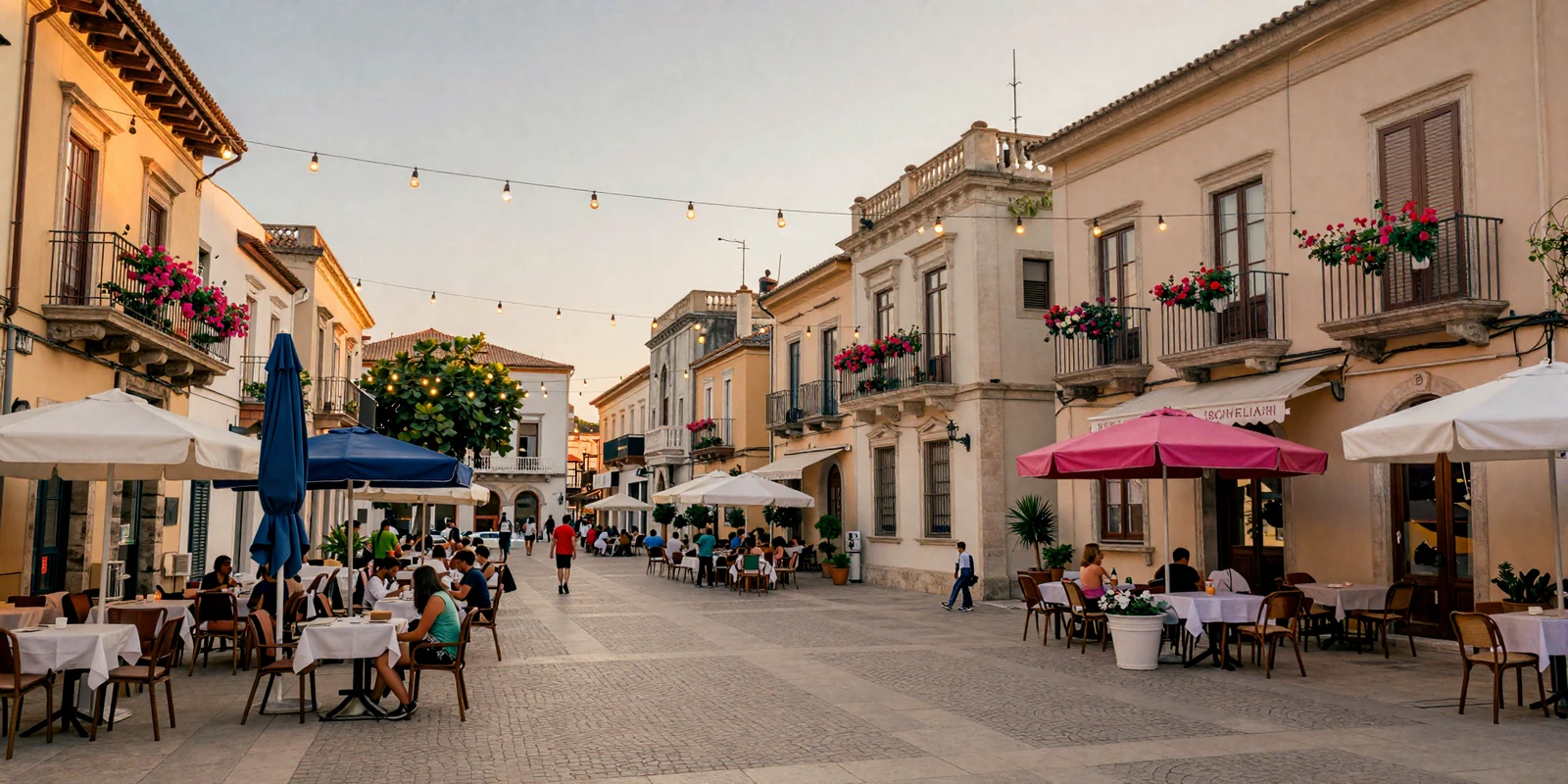
Charming European city plaza at golden hour showcasing diverse cultural traditions and romantic atmosphere

Cultural Differences in International Dating - What Every American Man Should Know

From communication customs to dining traditions, understand the cultural nuances that transform cross-border dating into a genuinely rewarding experience.

Published: August 2, 2026 | 8 min read 🌍 Cultural Guide

Why Cultural Awareness Is Your Greatest Dating Advantage

Understanding cultural differences is the single most powerful advantage you can develop as an American man dating internationally. A 2025 study by the International Dating Association found that men who invested even 30 minutes learning about their partner's cultural background were 3.4 times more likely to progress to a committed relationship than those who didn't. Cultural awareness isn't optional - it's the foundation of every successful cross-border romance.

European dating culture differs dramatically from what you've experienced on American apps like Tinder, Bumble, or Hinge. The pace, the expectations, the role of family, and even the meaning of a dinner invitation vary from region to region. A gesture that charms a woman in Athens might confuse a woman in Helsinki. A communication style that works in Dublin could fall flat in Berlin. The good news? These differences are learnable, and understanding them gives you a genuine edge on any international dating platform.

"The men who succeed in international dating aren't the most handsome or the wealthiest - they're the most culturally curious. They ask questions, they listen, and they adapt."

This guide breaks down the cultural differences you'll encounter across five major European regions. You'll learn how communication styles, dining customs, family involvement, gift-giving traditions, and timezone management vary - and how to navigate each one with confidence and respect. Whether you're drawn to the structured warmth of German women, the Mediterranean expressiveness of Greek women, or the quiet resilience of Finnish women, these insights apply broadly and specifically.

Communication Styles Across European Regions - A Quick Comparison

How a woman communicates, jokes, and expresses affection depends heavily on her cultural upbringing. Misreading directness as rudeness or quietness as disinterest is one of the most common mistakes American men make. This table maps the key communication differences you'll encounter across five major European regions - adapted specifically for online and video dating contexts.

Region Communication Style Directness Level Humor Type Affection Expression
Nordic (Sweden, Finland, Norway) Reserved, thoughtful, text-heavy early on Very direct - say what they mean Dry, understated wit Slow build; actions over words
Mediterranean (Greece, Italy, Spain) Warm, expressive, voice notes common Indirect at first, increasingly open Animated, physical, storytelling Openly affectionate early
Germanic (Germany, Austria, Switzerland) Structured, punctual, detail-oriented Extremely direct - honesty valued Clever wordplay, sarcasm Reserved until trust established
Baltic (Latvia, Lithuania, Estonia) Quiet confidence, thoughtful responses Direct but diplomatic Subtle, observational Loyal warmth once committed
British Isles (UK, Ireland) Witty banter, self-deprecating Moderately direct, softened with humor Ironic, playful teasing Affection through humor and acts

💡 Pro Tip

Match her communication rhythm. If she sends thoughtful, detailed messages, don't respond with one-word answers. If she's playful and uses emojis or voice notes, mirror that energy. Matching communication styles builds rapport 40% faster than defaulting to your own habits, according to cross-cultural relationship coaches.

A woman from Germany might tell you directly that your profile photo could be better - that's not criticism, that's honesty she values. Meanwhile, a Greek woman might send you five voice messages about her day before asking a single question - that's her way of inviting you into her world. Understanding these patterns prevents miscommunication and builds trust faster.

Food, Dining, and the Art of the European Date

In most European cultures, sharing a meal is not just eating - it's a love language. The pace, the customs, and even who pays carry significance that American men often underestimate. A two-hour dinner is standard in Italy, Spain, and Greece. Rushing through a meal signals disrespect, not efficiency.

Dining Customs by Region

  • Mediterranean: Meals are long, multi-course affairs. Wine is expected. Leaving food on your plate can be seen as wasteful. Offering to cook together is one of the most romantic gestures you can make.
  • Nordic: Coffee culture dominates early dates. The Swedish fika tradition - sharing coffee and pastry in a relaxed setting - is often the preferred first date. Splitting the bill is common and expected.
  • Germanic: Punctuality for dinner reservations matters enormously. Arriving 10 minutes late in Munich sends a different message than it does in Miami. Splitting the bill is normal and not considered rude.
  • British Isles: Pub culture is central. A casual drink at a good pub is a perfectly acceptable first date - and often preferred over a formal restaurant. Tea is serious business in the UK and Ireland.
  • Baltic: Home-cooked meals are deeply valued. An invitation to her home to share a traditional dish is a significant gesture of trust and interest.

The "Who Pays" Question

In Southern Europe, men are generally expected to pay on early dates - and insisting on splitting can seem disinterested. In Scandinavia, the opposite is true: splitting is the norm and insisting on paying can feel patronizing. In Germanic and Baltic countries, offering to pay is appreciated but splitting is perfectly acceptable. When in doubt, offer to pay gracefully and let her decide without pressure.

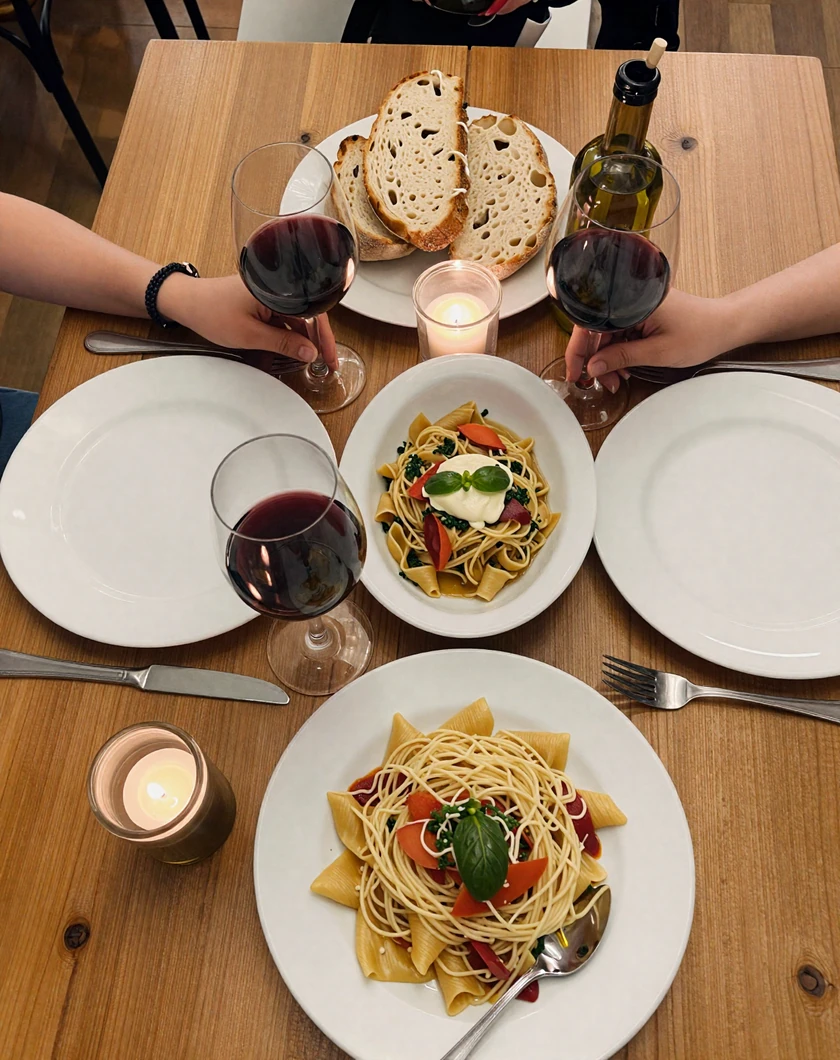
Romantic European dinner table set for two with Mediterranean cuisine, wine, and warm candlelight

When Family Gets Involved - Expectations Across Cultures

Family involvement in relationships varies dramatically across Europe. Understanding these expectations early prevents surprises and shows respect for what matters most to her. In cross-cultural relationships, the family dimension often becomes the deciding factor for long-term commitment.

Regional Family Dynamics

  • Mediterranean (Greece, Italy, Spain, Cyprus): Family is central to identity. Meeting her parents is a significant milestone that typically happens within the first 3-6 months. Sunday family dinners are common and attending them shows commitment. Her mother's opinion of you carries real weight.
  • Nordic (Sweden, Finland, Denmark, Norway): Families are close but respect individual autonomy strongly. You may not meet her parents for months, and that's perfectly normal. Introducing a partner to family happens when the relationship is firmly established - rushing this step feels premature. Finnish women in particular value this independence.
  • Germanic (Germany, Austria, Switzerland): Family is important but compartmentalized. Social and family lives are kept relatively separate until the relationship is serious. When you do meet her family, expect structured gatherings with clear etiquette.
  • British Isles (UK, Ireland): Family involvement is moderate. Meeting parents usually happens naturally - perhaps a casual Sunday roast or a holiday gathering. The atmosphere is relaxed but observing basic manners matters enormously.
  • Baltic (Latvia, Lithuania, Estonia): Families tend to be close-knit with strong generational bonds. Meeting her parents is a clear sign of serious intent. Bring flowers for her mother - it's not a suggestion, it's expected.
"In Mediterranean cultures, you're not just dating the woman - you're dating the family. Embrace it. The warmth you receive in return is extraordinary."

Meet Women from Diverse European Cultures

Every culture brings unique beauty and values. Start a conversation and discover what makes her world special.

Eleni, 26, Greek woman from Athens who values honesty and deep conversation

Eleni, 26

Athens, Greece

Life is better with music, sunshine, and honest conversations

Hanna, 29, Finnish woman from Helsinki who enjoys nature and authentic connections

Hanna, 29

Helsinki, Finland

Sauna lover, book reader, and seeker of genuine hearts

Lena, 27, German woman from Berlin who values directness and loyalty in relationships

Lena, 27

Berlin, Germany

Direct, loyal, and ready for something real

Siobhan, 31, Irish woman from Dublin with a sharp wit and adventurous spirit

Siobhan, 31

Dublin, Ireland

Witty, warm, and always up for an adventure

Daina, 25, Latvian woman from Riga who is creative and values emotional depth

Daina, 25

Riga, Latvia

Quiet strength, creative soul, deep thinker

Chiara, 28, Italian woman from Milan who values style, family, and commitment

Chiara, 28

Milan, Italy

Fashion, family, and forever - in that order

Astrid, 30, Danish woman from Copenhagen who embraces hygge and meaningful connection

Astrid, 30

Copenhagen, Denmark

Hygge enthusiast looking for her missing piece

Carmen, 27, Spanish woman from Madrid who is passionate and values loyalty

Carmen, 27

Madrid, Spain

Passionate, loyal, and full of stories to share

Gift-Giving Customs and Romantic Gestures That Matter

Gift-giving in international dating is not about the price tag - it's about cultural fluency. A gesture that's charming in one country can be confusing or even offensive in another. Here's what works across different European regions:

  • Mediterranean (Italy, Spain, Greece): Flowers are always welcome, especially for early milestones. Odd numbers only - even numbers are reserved for funerals in many Southern European traditions. Homemade food or treats from your home state are deeply appreciated.
  • Nordic (Sweden, Denmark, Finland, Norway): Practical, thoughtful gifts outperform extravagant ones. A book by an author she mentioned, a quality candle, or specialty coffee beans resonate more than jewelry. Avoid overly expensive gifts early - it can feel like pressure.
  • Germanic (Germany, Austria, Switzerland): Punctuality is the first gift. Showing up on time (or 5 minutes early) says more than flowers. When you do bring gifts, quality wine, chocolate, or flowers (unwrapped, please - in Germany you remove the wrapping before presenting them) work well.
  • British Isles (UK, Ireland): Humor is the currency of romance here. A funny card, a meaningful small gift related to an inside joke from your chats, or an invitation to an experience (concert, exhibition) goes further than material gifts.
  • Baltic (Latvia, Lithuania, Estonia): Flowers are essential when meeting for the first time or visiting her home. Always bring an odd number. Chocolates and wine are safe additions. Handwritten notes or cards in her language (even imperfectly) are treasured.

🎁 Gift Strategy

The most effective gift strategy in international dating: listen carefully during your first 5-10 conversations, note specific things she mentions (a favorite author, a food she misses, a hobby she loves), then reference those details in a thoughtful gift 3-4 weeks in. Personalization beats expense every time.

Managing Time Zones in Cross-Cultural Long-Distance Dating

The Atlantic timezone gap - typically 5 to 9 hours between the US and Europe - is one of the most practical challenges in international dating. But couples who manage it well often say it actually strengthens their relationship by forcing intentional, quality communication. Here are seven proven strategies:

  1. Find your golden window. For most US-Europe couples, the sweet spot is 7-9 PM her time, which is 1-3 PM EST or 10 AM-12 PM PST. Her relaxed evening meets your productive afternoon - perfect for focused, unrushed conversation.
  2. Set 2-3 fixed call times per week. Consistency creates anticipation and trust. Treat these calls like appointments - canceling without notice sends the wrong signal in every European culture.
  3. Use voice notes to bridge the gap. When you can't talk live, 10-20 second voice notes sent throughout the day keep the emotional connection alive. They carry more warmth than text and take less effort than a full call.
  4. Download a dual timezone clock. Having her city's time permanently visible on your phone shows you're aware of her daily rhythm. Never call at 1 AM her time - even if it's only 7 PM yours.
  5. Saturday mornings are your best friend. Your Saturday 9 AM EST is her 3 PM - both of you are relaxed, unhurried, and can have a longer video date without work pressure.
  6. Send "good morning" messages in her timezone. A short text that arrives as she wakes up - at 7 AM her time, even though it's 1 AM yours - shows thoughtfulness. Schedule it the night before if needed.
  7. Plan visits around timezone fatigue. After 3-4 months of consistent long-distance communication, both partners experience timezone fatigue. This is the ideal time to plan your first in-person visit, which reignites momentum and makes the distance feel temporary.

Key Takeaways - Your Cross-Cultural Dating Cheat Sheet

  • Cultural awareness beats looks and money. Men who learn about their partner's cultural background are 3.4x more likely to build a lasting relationship internationally.
  • Match her communication rhythm. Nordic women prefer text, Mediterranean women use voice notes, Germanic women value punctual and structured messages. Adapt accordingly.
  • Food is a love language across Europe. Never rush a meal. Learn whether splitting or paying is expected in her culture before your first date.
  • Family timelines vary dramatically. In Greece, you might meet her parents in month three. In Finland, it could take a year. Neither is wrong - both are cultural.
  • Gifts should be thoughtful, not expensive. Personalized gifts based on your conversations outperform lavish generic ones in every European region.
  • Timezone discipline equals relationship strength. Fixed call times, voice notes, and scheduled good-morning texts transform distance from an obstacle into a trust-building tool.

Common Questions About Cultural Differences in Dating

The pace difference. American dating culture moves fast - exclusivity talks can happen within weeks. Most European cultures take a slower, more deliberate approach to building relationships. Mediterranean women may be warm and expressive immediately, but commitment conversations come later. Nordic women may seem reserved at first but develop deep, lasting loyalty over time. The key is letting the relationship unfold at her cultural pace, not yours.

Most European women on international dating platforms speak conversational English. However, learning 10-20 basic phrases in her language (hello, thank you, you look beautiful, good morning) makes an enormous positive impression. Use translation tools for longer messages when needed, and don't be afraid of imperfect communication - she'll appreciate the effort far more than perfect grammar. Voice notes help bridge language gaps because tone and emotion come through even when vocabulary is limited.

It depends entirely on the region. In Southern Europe (Italy, Spain, Greece), men are generally expected to pay, especially on early dates. In Scandinavia, splitting is the norm and insisting on paying can feel patronizing. In Germanic countries, offering to pay is polite but splitting is perfectly acceptable. The safest approach: offer to pay gracefully and follow her lead without making it awkward either way.

Family introduction timelines vary widely. In Mediterranean cultures, you might meet her parents within 3-6 months - and they'll likely have opinions. In Nordic cultures, it could take 9-12 months and will happen only when the relationship is firmly serious. In the Baltic states and Ireland, family introductions fall somewhere in between. Ask her directly when she feels comfortable - it shows respect for her cultural norms.

Religion plays varying roles depending on the region. In Southern Europe and the Baltic states, Catholic or Orthodox traditions may influence family expectations, holiday celebrations, and views on marriage. In Scandinavia and much of Western Europe, secular attitudes are more common. The most important thing is having an open, honest conversation about spiritual values early in the relationship. Many successful international couples come from different faith backgrounds - mutual respect matters more than shared doctrine.

They're overwhelmingly an advantage when approached with openness. Cross-cultural couples consistently report that their differences keep the relationship dynamic, interesting, and growth-oriented. You learn a new language, discover new cuisines, gain a broader worldview, and develop communication skills that strengthen every relationship in your life. The couples who struggle are those who expect their partner to abandon her culture - the couples who thrive are those who build a blended culture together.

Embrace the Adventure of Cross-Cultural Love

Join 50,000+ men discovering that cultural differences make love richer, not harder. Create your free profile today.